
Gen Z Ditches Smartphones to Save Their Brains

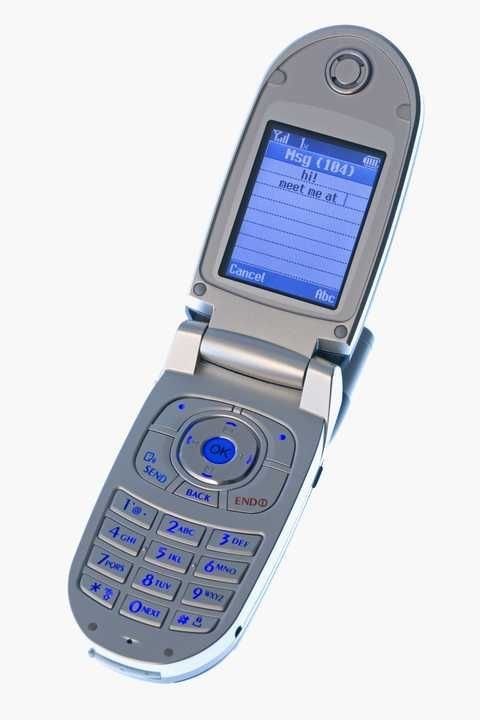
This summer, a curious digital detox movement is quietly gaining momentum—and it’s coming straight from Gen Z. Across the U.S., the UK, and parts of Asia, thousands of young adults are trading smartphones for minimalist flip phones, sparking what TikTok has aptly dubbed “Flip-Phone Summer.”
But this is no fleeting nostalgia trend. It’s a cultural signal—and one that belongs squarely in Global Buzz.
For many participants, the motivation runs deeper than aesthetics. Flip-Phone Summer is being framed as an act of self-preservation. Amid growing concerns around screen addiction, information overload, and dopamine burnout, Gen Z is pressing pause on perpetual pings and endless scrolling.
“I wanted my brain back,” shared a 22-year-old student from California. “Not just my time.”
The numbers reinforce the narrative. Reports indicate a 25% surge in flip-phone sales over the past year, while global searches for “retro phone” and “BlackBerry” devices are up 10%, averaging more than 5,000 searches daily. On social platforms, the hashtag #FlipPhoneSummer has crossed 50 million views, cementing its status as a counter-culture movement rather than a novelty.
A Signal Educators Can’t Ignore
From an education and mental health perspective, this shift is particularly telling. Students are increasingly self-aware about how continuous connectivity affects cognition, focus, and emotional wellbeing. In response, some educators are experimenting with tech-free classroom zones, structured mindfulness breaks, and attention-restoration modules—early signs of a broader pedagogical rethink.
Yet Flip-Phone Summer is not a rejection of technology. It’s a recalibration.
The Hybrid Reality
In practice, most adopters aren’t going fully offline. Navigation apps, campus portals, digital learning systems, and payments make a complete smartphone exit unrealistic. Instead, many young adults are adopting a hybrid model: a smartphone kept aside for essential tasks, and a flip phone used for daily communication. Convenience, balanced with calm.
Why This Matters
As a Magazine pillar story, Flip-Phone Summer reflects a deeper generational shift. Digital natives are no longer impressed by smarter devices alone—they’re questioning how, when, and why they connect.
Ultimately, this movement isn’t anti-technology. It’s pro-intention. And in a world obsessed with being constantly connected, Gen Z is reminding us that clarity, focus, and mental space may be the new markers of progress.
For educators, institutions, and policymakers watching global youth trends, the message is clear: sometimes, the smartest upgrade is knowing when to disconnect.