
Meta Platforms Moves Closer to Mind-Reading with Brain-to-Text AI

In the rapidly evolving interface between mind and machine, Meta Platforms is venturing into territory once reserved for science fiction. Its research division, Meta AI (formerly FAIR), has unveiled a brain-to-text system capable of translating neural activity into written language—without the use of invasive implants. In controlled research settings, the model has achieved up to 80% character-level accuracy, marking a significant leap in non-invasive brain–computer interfaces.
At the centre of this breakthrough is Meta’s deep-learning framework known as Brain2Qwerty. The system processes electroencephalography (EEG) and magnetoencephalography (MEG) signals, training neural networks to map brain-signal patterns to typed sentences. During experiments, participants memorised sentences and typed them while their brain activity was recorded. The AI then predicted the text based solely on neural signals—effectively turning thought into language.
Why This Is a Global Buzz Moment
As a Global Buzz story, the implications extend far beyond technology labs. The idea that thoughts could be translated directly into text reshapes how society understands communication, privacy, and cognition itself. On social platforms and future-tech forums, the discussion has quickly moved from can it work? to should it be used—and by whom?
For education leaders and institutions, the signal is unmistakable. Imagine learning environments where students articulate ideas without keyboards or speech—where cognition itself becomes an interface. Such a shift would demand new digital literacies, redesigned assessments, and teaching models that recognise alternative modes of expression.
Ethics, Equity, and Educational Responsibility
Yet with this possibility comes unease. Who owns neural data? Where does privacy end when intention precedes expression? And how do institutions ensure equitable access to technologies that could otherwise widen cognitive and socio-economic divides?
Meta itself is cautious. As noted by Vox Future Perfect, the journey from “lab-based brain decoding” to “consumer-ready, non-invasive mind typing” remains long and uncertain. Accuracy drops outside tightly controlled environments, and the technology currently requires bulky, expensive equipment.
For educators, this uncertainty reinforces a central truth: technology may accelerate, but pedagogy must anchor progress. Human-centred curriculum design, ethical frameworks, and inclusive leadership will determine whether such tools empower learners—or overwhelm them.
Beyond Typing: Wearables and Intent-Based Interaction
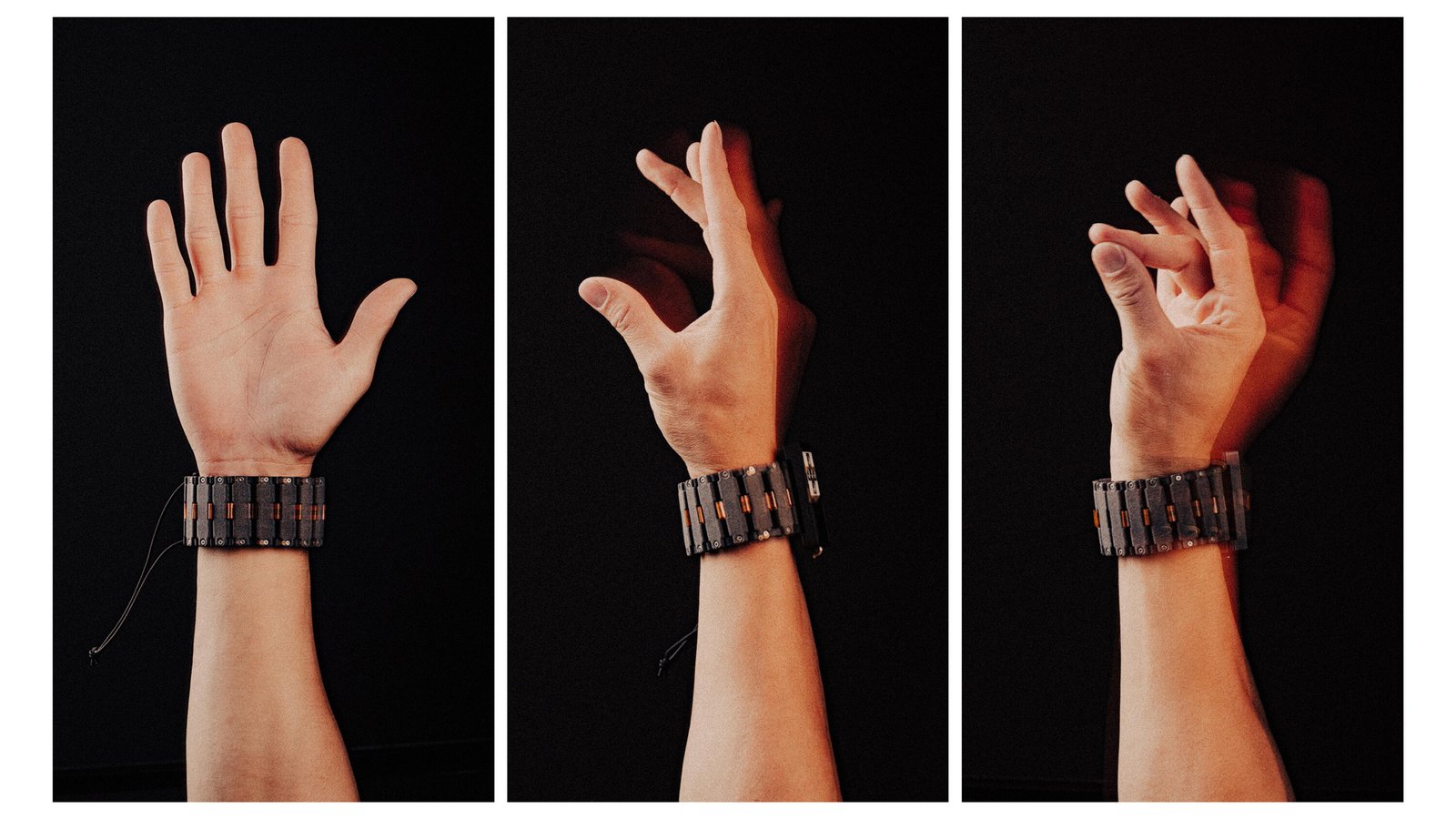
Meta’s ambitions extend further. Its latest neural wristband, powered by electromyography (EMG) sensors, reads electrical signals sent from the brain to the hand, enabling users to control devices through subtle—or even imagined—gestures. Originally designed for AR and VR ecosystems, the technology shows promise in assistive computing, particularly for individuals with limited mobility.
Here, intention becomes action. Thought becomes motion. And wearable technology bridges neuroscience with everyday usability.
The Bigger Lesson for Institutions
As a Magazine pillar feature, this story is not just about innovation—it’s about leadership. As Meta edges closer to mind-reading AI, educators and institutions cannot afford to play catch-up. They must lead the conversation on ethics, learning design, and human agency.
Because in the future of learning, thinking may no longer be entirely private—but teaching, mentorship, and meaning-making will remain profoundly human.