
Beyond Resources: Building Business Excellence Through Purpose, Culture and Leadership
Business excellence is often associated with investment, technology, and organisational scale. We naturally assume that the organisations creating the greatest impact are those with the largest budgets, the most advanced digital tools, or the biggest teams.
My experience has taught me something very different.
The organisations that achieve lasting excellence are not necessarily those with the most resources. They are the ones that unite people around a shared purpose, foster a culture of trust, and transform constraints into opportunities for innovation.
I did not learn this lesson in a boardroom or at a business school.
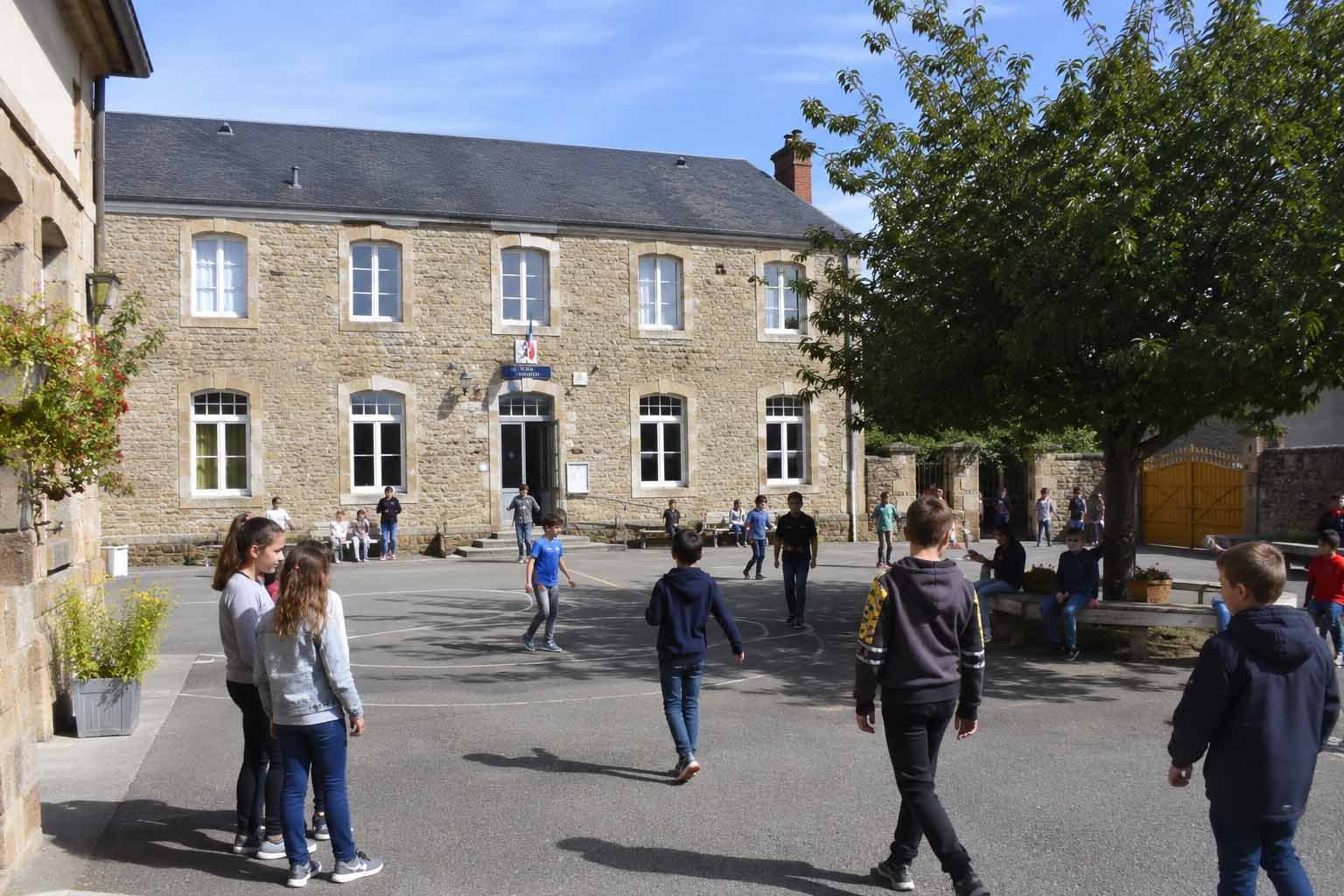
I learned it in one of the last places where most people would expect to find insights into organisational excellence: a small rural public school in Spain.
For more than twenty years, I have worked as a Physical Education teacher while leading innovation projects in a rural educational community. At first glance, our context seemed defined by limitations: multi-grade classrooms, limited resources, and the challenge of serving several small villages.
Yet those very limitations became our greatest opportunity.
Instead of asking what we lacked, we asked a more powerful question:
How can we create greater impact with the resources we already have?
That simple shift transformed not only the way we worked but also the way we understood leadership.
Every successful organisation has a strategy. The organisations that truly inspire have something even more important: a clear purpose.
Strategy defines objectives. Purpose gives them meaning. This principle guided every innovation initiative we developed.
Rather than designing projects simply to deliver curriculum content, we created experiences capable of generating a positive impact beyond the classroom.
One initiative transformed Physical Education into an immersive journey through history, turning students into active participants in their own learning. Another united local authorities, universities, environmental organisations, and families around the protection of the Tagus River, making sustainability a shared responsibility.
These initiatives later received national and international recognition, confirming a lesson that extends far beyond education: excellence is not determined by organisational size or available resources, but by the strength of purpose, culture, and collaboration.
People rarely commit to an organisation because of its procedures. They commit because they believe in its purpose.
Purpose is therefore much more than a mission statement. It is the foundation upon which innovation, engagement, and sustainable performance are built.
Innovation Begins with Better Questions
Artificial intelligence and digital transformation are reshaping every industry. Yet technology alone has never transformed an organisation. People do. Our innovations did not begin with new digital tools. They began with better questions.
Instead of asking how technology could improve learning, we asked how learning could create greater value for students and the community. Only then did we select the technologies that best supported that vision.
Artificial intelligence enabled personalised learning
Digital platforms strengthened collaboration. Immersive technologies increased engagement. Technology was never the innovation itself. It was the means to achieve a greater purpose. This lesson extends far beyond education. In every digital transformation journey, technology is an enabler, but never the true driver of change. It can accelerate progress, but only a culture built on purpose, trust, and continuous learning can turn progress into lasting transformation.
Turning Constraints into Competitive Advantage
One of the most common assumptions in management is that innovation depends on abundance: more funding, more technology, more talent, or simply more time. My experience has taught me the opposite. Scarcity does not prevent innovation. Complacency does.
Working in a rural public school challenged many of my assumptions about leadership. Rather than seeing limitations as obstacles, we learned to view them as opportunities to think differently and work together more effectively. When additional resources were unavailable, collaboration became our greatest competitive advantage. Local governments, universities, environmental organisations, families, and community partners evolved from occasional collaborators into strategic allies. Every partnership expanded our capacity to innovate and demonstrated that strong networks often outperform abundant resources.
This experience transformed my understanding of leadership. Leaders do not create innovation because they have all the answers. They create the conditions in which people with different talents, perspectives, and experiences can work together towards a shared purpose. In today's unpredictable world, competitive advantage no longer belongs only to organisations with the largest budgets. It belongs to those that learn faster, collaborate better, and adapt continuously.
Excellence is not achieved by waiting for perfect conditions.
It is achieved by making the best possible use of the conditions that already exist. The Real Measure of Leadership
For many years, I believed success was measured by results.
Projects completed.
Targets achieved.
Awards received.
Today, I see leadership differently.
Results matter.
But they are not an organisation's greatest legacy. The most valuable asset any organisation develops is its people.
Throughout my career, I have seen students discover abilities they never knew they possessed, colleagues grow into confident leaders, and communities unite around shared goals that once seemed impossible. These transformations rarely appear in annual reports or performance indicators. Yet they are the achievements that endure.
People may forget strategies and individual projects. They rarely forget organisations that believed in them, challenged them to grow, and gave them the confidence to contribute.
Leadership is not about directing people.
It is about unlocking their potential. When organisations invest in people before processes, purpose before procedures, and trust before control, innovation becomes a natural consequence of their culture. Conclusion People often ask me how a small rural public school has developed innovation projects recognised nationally and internationally.
My answer is always the same. It was never about having more resources. It was about building the right culture.
A culture where purpose guides decisions, collaboration replaces isolation, continuous learning is encouraged, and every challenge becomes an opportunity to improve. Although these lessons emerged from education, they apply to every organisation striving for sustainable excellence. Purpose gives direction.
- Culture drives innovation.
- Collaboration multiplies talent.
- Leadership unlocks human potential.
- Technology can be acquired.
- Processes can be replicated.
- Strategies can be copied.
A culture that inspires people to learn, collaborate, and pursue a shared purpose cannot. The organisations that will lead the future are not necessarily those with the greatest resources, but those that inspire people to achieve extraordinary things together. That, in my experience, is the true foundation of business excellence.